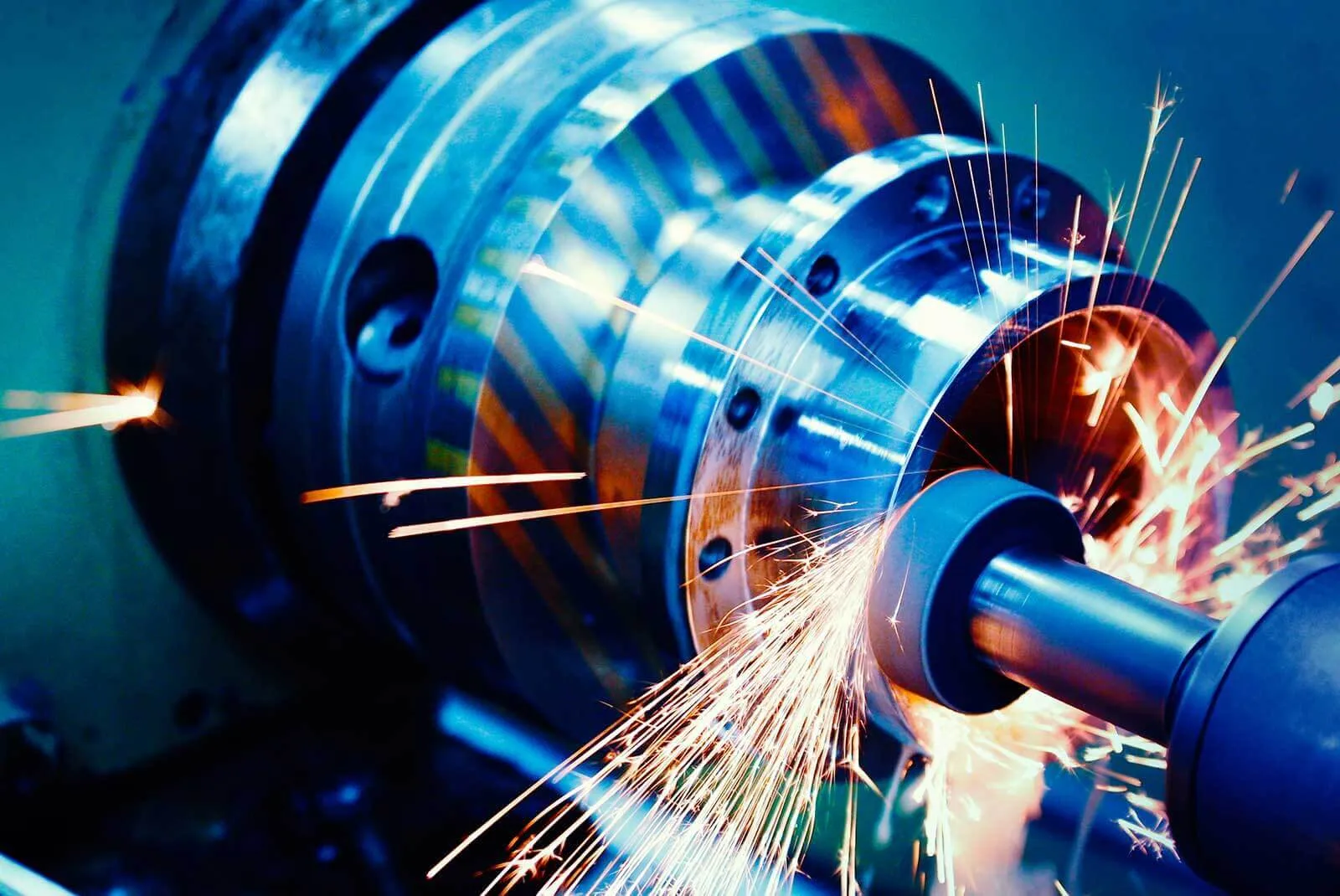
Precision Mold Components for a Major U.S. Oil & Gas Drilling Group
Since 2015, Huade has supported a large U.S. oil drilling group with precision mold components and critical machined tooling parts. Even when tariffs affected part of the order volume, the customer's core mold component programs continued to specify Huade as the long-term manufacturing partner.
A Long-Term Oil And Gas Machining Partnership Built On Consistency
This case study highlights Huade's role as a precision CNC machining supplier for a major oil and gas drilling group in the United States. The cooperation started in 2015 and has remained active through changing procurement conditions, market pressure, and tariff-related cost fluctuations.
While tariffs did reduce some order volume, the customer's core mold components and critical tooling parts continued to be assigned to Huade. That continuity reflects the value of stable repeatability, trusted quality control, and reliable delivery in demanding industrial supply chains.
For buyers sourcing CNC milled components, alloy steel machined parts, and inspected industrial tooling, this project shows how long-term performance matters more than short-term pricing alone.
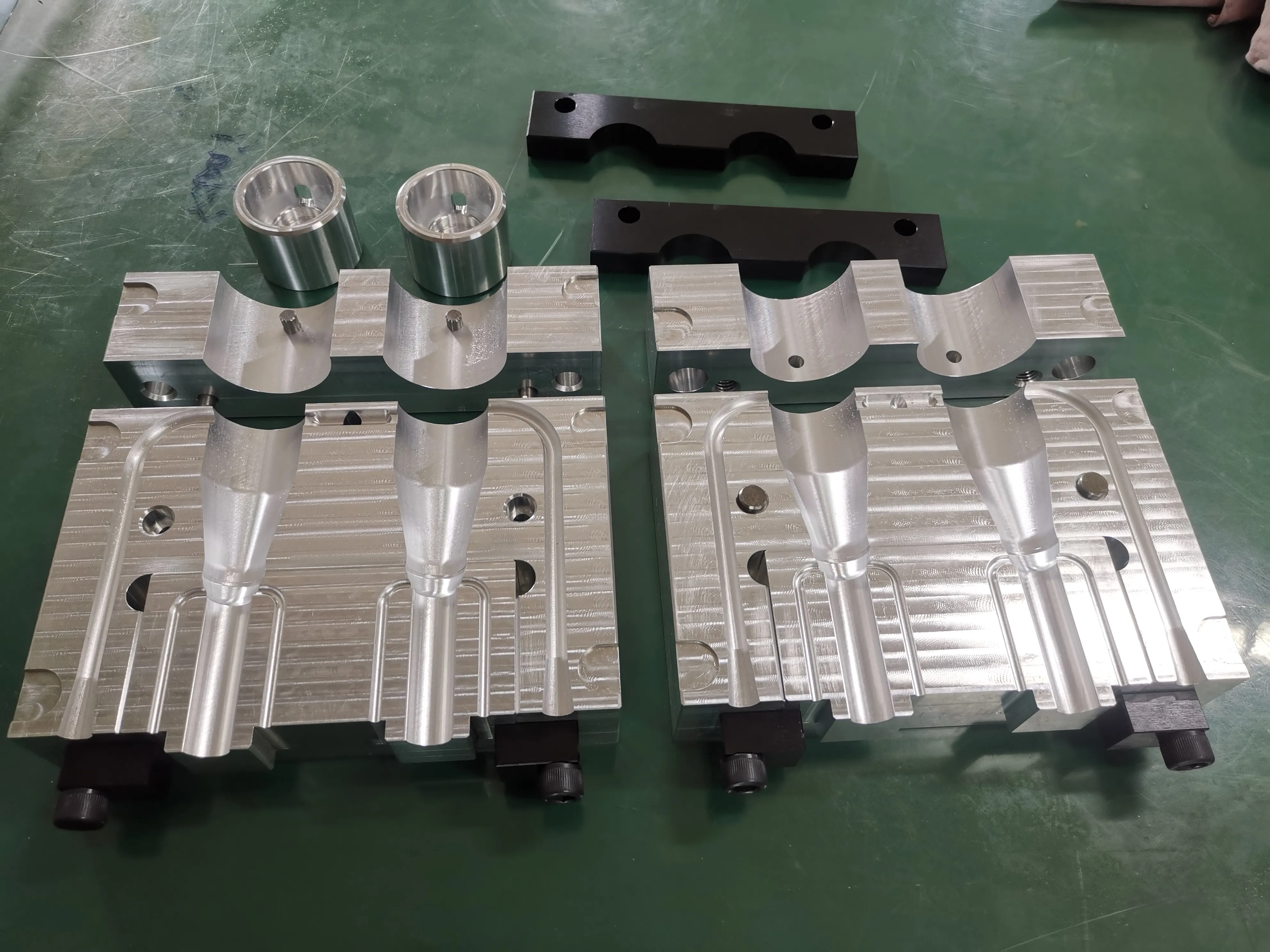
Delivered Mold Component Assemblies
Actual project parts for this long-term program, showing precision machined mold components, aluminum tooling bases, and matched assemblies produced for repeat industrial use.
Supply Pressure Under Tariff Changes
Tariff changes affected part of the purchasing volume, which meant the customer had to make sharper decisions about which suppliers would remain responsible for their most important parts. For non-core items, order distribution could change. For core mold components, failure risk was too high.
Reliable Precision Machining For Critical Parts
- Precision CNC milling for mold components used in drilling-related production programs.
- Stable dimensional control for repeat orders where interchangeability matters.
- Material, machining, and inspection coordination handled under one manufacturing partner.
- Consistent support for core parts that the customer continues to designate to Huade.
11 Years Of Stable Ongoing Cooperation
The cooperation has never been interrupted. From 2015 through today, Huade has remained the designated supplier for the customer's core mold component needs, proving strong trust in machining quality, inspection discipline, and repeat production reliability.
Process Route Used For Precision Mold Component Manufacturing
What kept this program stable over the years was not only supplier continuity, but process discipline. For repeat mold component orders, Huade uses a controlled machining route focused on datum stability, tool rigidity, and finish consistency across matched parts.
Material Preparation
For this type of program, Huade typically starts from qualified aluminum tooling plate and selected steel inserts or fixture members, depending on the load, wear area, and mating structure of the mold component set.
Rough Milling
High-efficiency roughing clears the main pockets, side walls, and datum surfaces first, leaving controlled stock for semi-finishing and finish profiling to reduce distortion risk and improve repeatability.
Semi-Finishing And Feature Control
Critical transition radii, saddle profiles, locating holes, and matched contact surfaces are semi-finished before final toolpaths so that positional relationships can be stabilized across multiple setups.
Finish Machining And Matching
Final contour milling, bore finishing, counterbore control, and interface matching are completed after in-process checks to ensure the assembled mold component set keeps dimensional consistency from batch to batch.
Tool Selection That Supports Surface Finish And Stability
For mold component work, the cutting strategy matters as much as the machine itself. Tool choice is adjusted around cavity shape, wall support, bore tolerance, and required finish so that the finished parts assemble cleanly and remain stable in repeat production.
- Carbide face mills are used to establish flat reference planes and improve surface consistency on larger aluminum base areas.
- Solid carbide end mills handle profile milling, pocket corners, and stepped walls where tool rigidity directly affects size stability.
- Ball nose cutters are used where blended surfaces and curved transition areas require smoother tool engagement and cleaner finish marks.
- Spot drills, carbide twist drills, and reamers are selected in sequence for holes that must hold better concentricity and cleaner fit-up.
- Chamfer mills are used to control edge break consistency and improve assembly handling for repeated customer builds.
Practical Shop-Floor Priorities
For assemblies like the ones shown in this case, Huade prioritizes flatness on support faces, positional accuracy between bores and profiles, and consistent finish on mating surfaces.
Toolpaths are typically organized to minimize unnecessary re-clamping, because every extra setup can increase datum transfer risk. This is especially important for matched left-right parts and multi-piece mold component sets.
Edge quality is also controlled deliberately. Proper chamfering and deburring help downstream assembly, reduce handling damage, and keep repeat-order parts visually consistent for customer acceptance.
Quality Control That Supports Repeat Industrial Orders
In industrial machining, especially for oil and gas related applications, long-term supply is rarely sustained by price alone. It is sustained by dimensional repeatability, inspection records, material consistency, and a supplier's ability to support stable production over time.
Huade's internal workflow combines metrology and quality control, production communication, and practical manufacturing feedback. That is exactly what helps core B2B customers keep critical programs on the same supply chain path year after year.
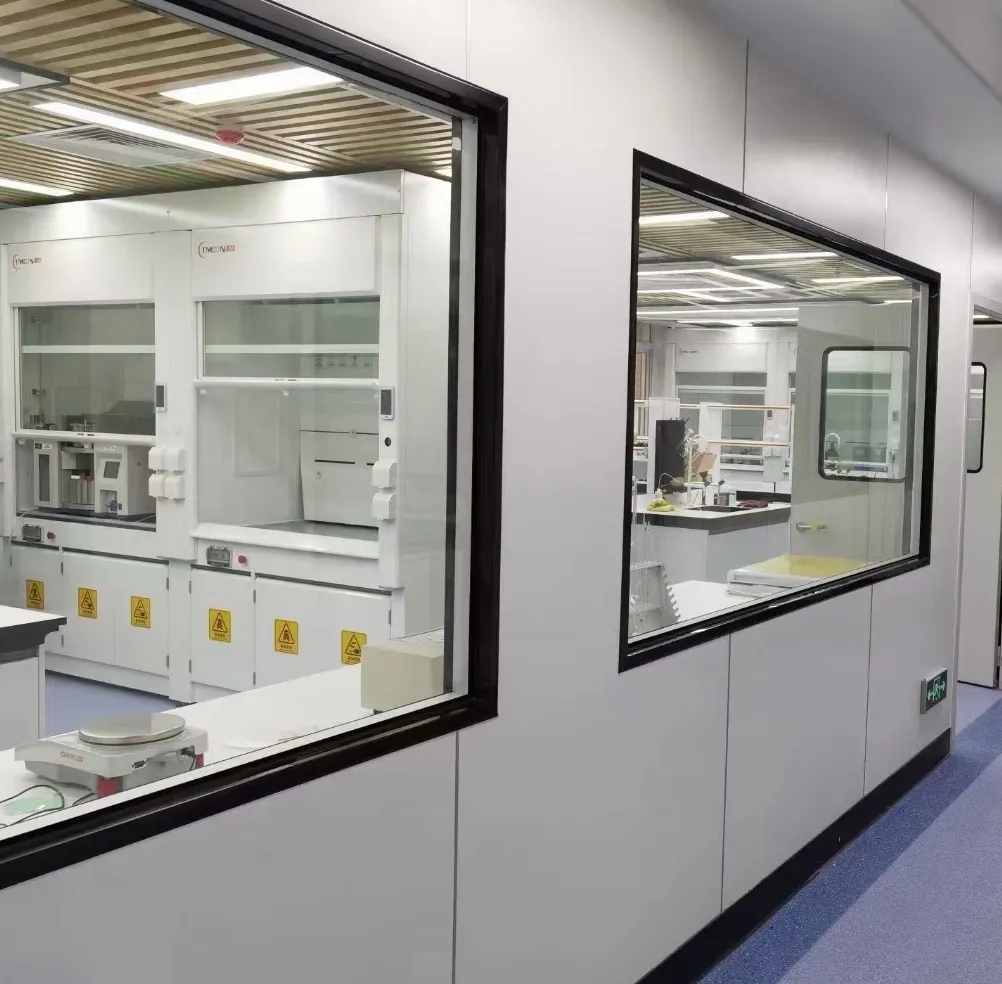
Inspection Support For Industrial Machining Programs
Customers evaluating oil and gas machining suppliers typically care about far more than one sample part. They care about how well a supplier can repeat the same result over multiple batches, drawings, revisions, and purchasing cycles.
Quality Control Points For Repeat Mold Component Orders
Repeat industrial customers do not just need one good sample. They need process predictability over time. For that reason, this type of project depends on inspection checkpoints that support assembly fit and repeat-order consistency.
Dedicated datums established in the first setup and transferred through the process to reduce stack-up error.
In-process dimensional checks on hole spacing, cavity width, bore size, and key assembly references before final release.
Assembly verification on matched component pairs to confirm functional fit instead of checking only single-piece dimensions.
Final outgoing inspection aligned with the customer's repeat-order requirements for critical mold component interfaces.
Internal Links That Support Buyers' Research
If you are sourcing precision mold components, industrial tooling, or oil and gas machining support, the pages below will help you review machining capability, materials, inspection, and quoting requirements in more detail.
Custom CNC Milling
Learn how our milling capability supports complex cavities, profiles, and precision machined mold details.
Open PageAlloy Steel Machining
See why high-strength alloy steel remains a practical choice for industrial tooling and wear-focused parts.
Open PageQuality Control & Metrology
Review our inspection workflow, reporting support, and dimensional verification process.
Open PageHelp Center
Find answers on tolerances, lead times, RFQ files, and production planning.
Open PageUseful Industry Standards And Context
These external resources help explain the broader quality and standards environment that industrial and oilfield buyers often review during supplier qualification.
API Standards
American Petroleum Institute standards are widely referenced across oil and gas equipment and supply chain environments.
API Spec Q1
A widely recognized quality management specification for organizations serving the petroleum and natural gas industry.
ISO 9001
The core international quality management framework frequently reviewed in precision manufacturing supplier selection.
Talk To Huade About Your Precision Machining Program
If your team is sourcing precision mold components, industrial tooling, or long-term CNC machining support, send us your drawings and requirements. We can review manufacturability, tolerance needs, and inspection expectations with you.