Plastic is convenient for mass-market audio gear. It is light, easy to mold, and inexpensive at high volume. But in a serious hi-fi amplifier, DAC, preamp, headphone amp, or active speaker module, the enclosure is not just packaging. It becomes part of the mechanical system around the electronics.
Thin plastic shells can flex, buzz, and transfer vibration into connectors, boards, switches, and mounted components. For a casual desktop speaker, that may be acceptable. For a high-end audio product where every detail is tuned for low noise, clean assembly, and premium feel, uncontrolled mechanical resonance can make the product feel less precise than the circuit inside it.
That is why many audio designers move from molded plastic to a custom CNC audio enclosure machined from solid aluminum. A rigid aluminum chassis gives the product mass, stiffness, thermal stability, a clean ground-friendly metal structure, and the kind of tactile finish that tells the customer this is serious equipment before the first track even starts.
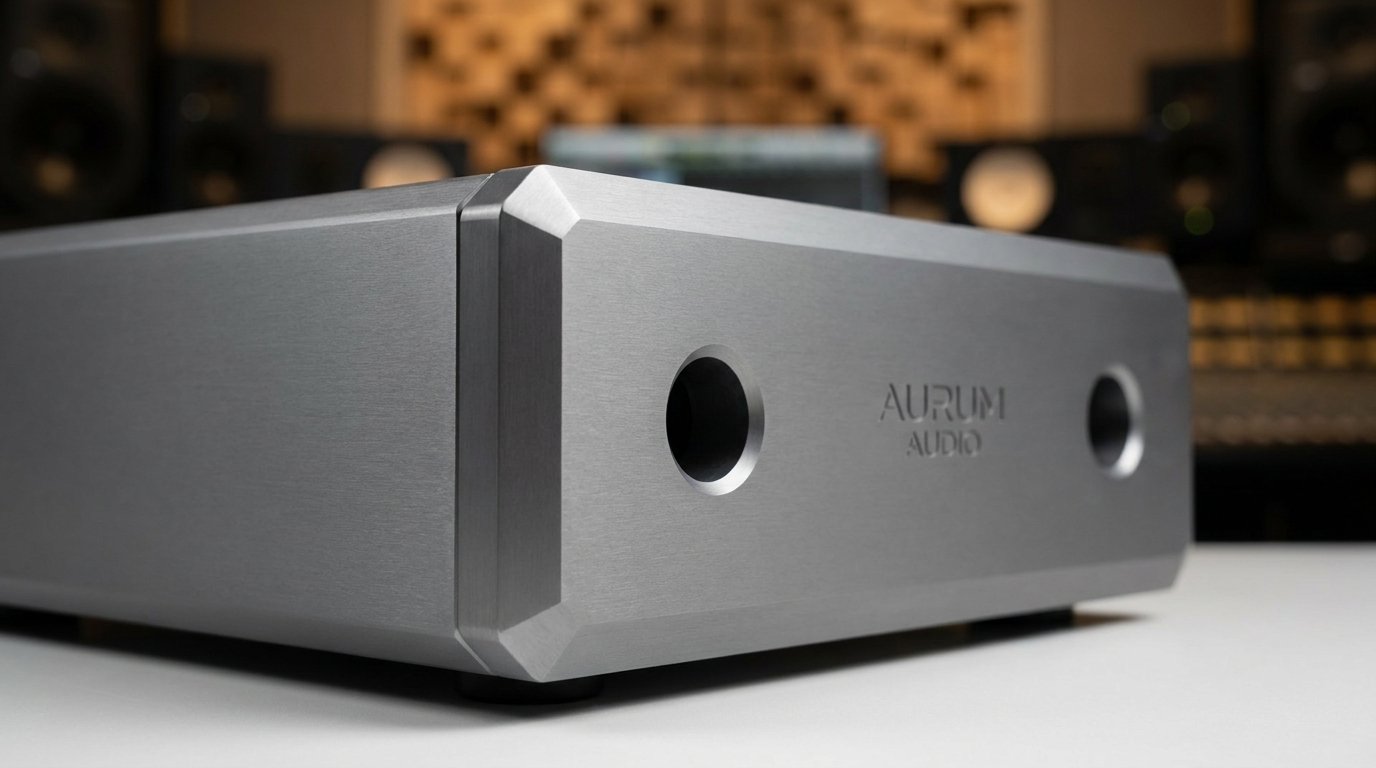
At Huade Precision, also known through our HD Proto manufacturing service, we machine low-volume and production-ready aluminum audio chassis for brands that need precision without a large factory MOQ. If you have a dream audio case design, we can help turn the CAD model into a real machined enclosure.
Why Aluminum Matters In High-End Audio Enclosures
An audio enclosure has three jobs: protect the electronics, support the assembly, and avoid adding its own mechanical noise. The third job is where material choice becomes important.
Published engineering data from NIST on 6061-T6 aluminum and common aluminum material references show why 6061 is such a practical chassis material: it offers useful stiffness, low density, good machinability, and predictable behavior in CNC production. In simple terms, aluminum gives designers a strong structure without the weight penalty of steel and without the flexing feel of many plastics.
For audio hardware, that means:
- Less panel flex around RCA, XLR, USB, speaker terminal, and power connector zones.
- More stable PCB mounting because threaded bosses and standoffs hold position accurately.
- Better heat spreading for amplifier modules, regulators, power devices, and dense desktop electronics.
- A stronger premium feel when users touch the case, knob, switch, or front panel.
Speaker and enclosure engineering discussions often focus on cabinet resonance, panel stiffness, bracing, and damping. For example, an application note from HBK on hi-fi loudspeaker enclosure modal analysis shows how vibration modes can be studied and controlled in audio enclosures. The same thinking applies to compact amplifier and electronics chassis: do not let the box become the weak link.
CNC Machining From Solid Aluminum Gives Designers More Control
Extrusions and sheet metal cases are useful for many audio products, but they limit the designer. When the enclosure is CNC machined from an aluminum billet, the internal cavity, ribs, bosses, heatsink areas, button seats, and connector pockets can all be built around the exact electronics layout.
That gives the product team more control over:
- Internal wall thickness around the main board and power section
- Reinforced zones under heavy transformers, heatsinks, or terminal blocks
- Front-panel geometry for knobs, LED windows, switches, and logo engraving
- Rear-panel connector spacing and alignment
- Hidden fastener strategy for a cleaner minimalist exterior
- Thermal contact pads and machined heat-spreading surfaces
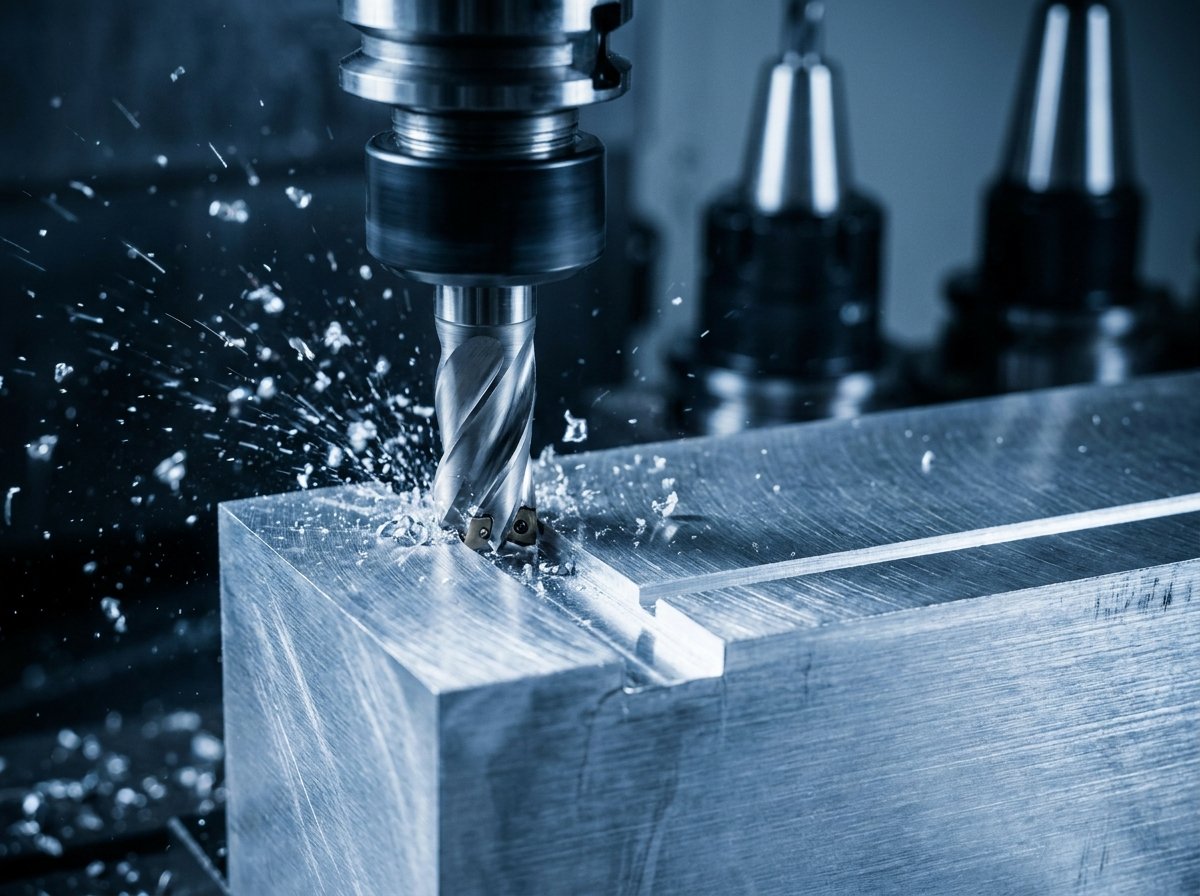
Huade’s CNC milling service is especially useful for audio enclosures because the visible surfaces and internal fit features are made in one controlled manufacturing route. For hybrid parts, we can also combine milled housings with turned knobs, feet, threaded inserts, or connector hardware through our CNC turning capabilities.
How Huade Controls Wall Thickness And Assembly Tolerance
Audio chassis often look simple from the outside, but the internal geometry can be demanding. A few tenths of a millimeter can decide whether the PCB slides in cleanly, the connector sits flush, the front knob rotates without rubbing, or the lid closes without stress.
For custom aluminum audio enclosures, our DFM review usually checks:
- Wall thickness consistency so thin cosmetic walls do not chatter, warp, or show uneven anodized color.
- Corner radii so the design matches real tool diameters instead of impossible sharp internal corners.
- Thread depth and screw engagement for repeated assembly without stripped holes.
- Boss and standoff positions for PCB alignment and connector stack-up.
- Lid and base fit so the enclosure closes cleanly after anodizing, brushing, or bead blasting.
- Masking zones when electrical contact, grounding, or cosmetic boundaries need controlled finishing.
We normally recommend that customers send STEP or X_T files plus 2D drawings when tolerances, thread callouts, surface finish, or cosmetic zones matter. You can learn more about file preparation in our help center, or upload directly through the quote page.
The Look: Satin Anodized Aluminum, Minimalist Design, Premium Feel
High-end audio buyers notice surfaces. A case can measure correctly and still fail if the finish looks cheap, uneven, or overworked.
For aluminum audio chassis, a popular route is bead blasting or fine brushing followed by black, silver, graphite, champagne, or titanium-gray anodizing. The result is a quiet satin texture: soft in reflection, smooth to the touch, and far more refined than glossy plastic.
The Aluminum Anodizers Council describes anodizing as an electrochemical process that converts the aluminum surface into an integrated aluminum oxide finish. In product terms, that means the finish is not a paint layer sitting on top of the case. It becomes part of the aluminum surface, supporting both appearance and durability.
For designers chasing a minimalist audio look, CNC machining and anodizing work beautifully together:
- Fine chamfers catch light without visual noise.
- Hidden screws keep the enclosure calm and architectural.
- Laser engraving can add a logo without a thick printed label.
- Tight connector pockets make the back panel look engineered, not improvised.
- Consistent matte texture helps small-batch products look production-grade.
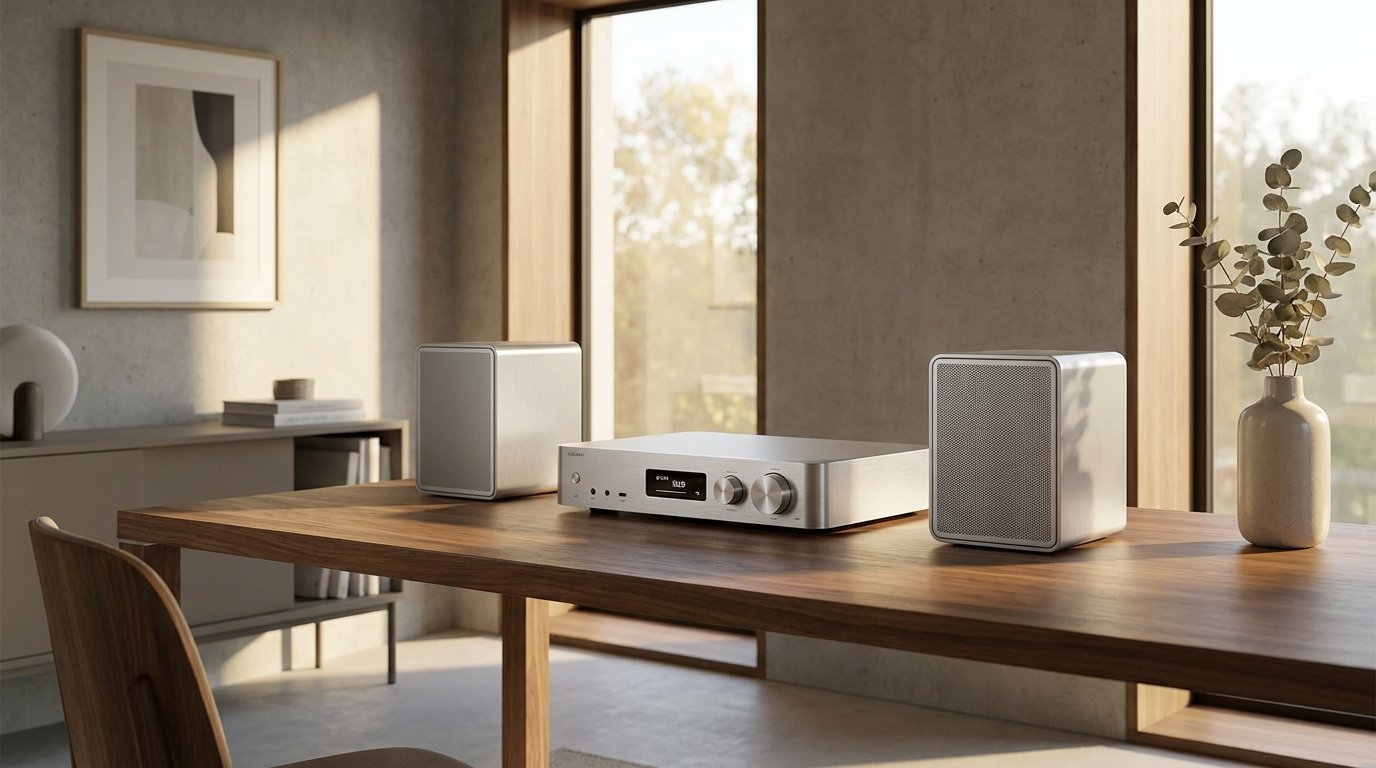
If your product also needs matching knobs, cones, isolation feet, or decorative rings, see our guide to CNC machined audio parts and our Germany premium audio system components case study.
Why MOQ 10 Matters For Boutique Audio Brands
Many factories are optimized for large orders. That is a problem for audio startups, boutique hi-fi brands, Kickstarter teams, engineering labs, and product designers testing a new enclosure concept.
Huade supports MOQ 10 because custom audio hardware often begins as a small, serious batch:
- 10 pieces for engineering validation
- 20 to 50 pieces for reviewer samples or distributor demos
- 100+ pieces once the product design and finish are proven
Small-batch manufacturing does not mean casual manufacturing. It means the process must be controlled earlier, because every part matters. We help customers choose the right aluminum grade, machining route, tolerance level, surface finish, and inspection plan before the first billet goes on the machine.
For most audio enclosures, 6061 aluminum is the practical starting point. It machines cleanly, anodizes well, and supports the balance of strength, appearance, cost, and lead time that many hi-fi projects need. For thin, highly loaded, or performance-weight designs, we can review 7075 or other material options during DFM.
Free DFM Review Before CNC Manufacturing
A beautiful enclosure starts in CAD, but it becomes successful during DFM. Before machining, our engineers review the model for manufacturability, assembly risk, and finish risk.
Our free DFM review can help identify:
- Features that require long-reach tools or extra setups
- Thin walls that may distort during machining or finishing
- Threads that need more engagement or insert planning
- Connector openings that may need tolerance relief
- Areas where anodizing buildup or masking may affect fit
- Cost-saving changes that preserve the original design intent
This is especially important for audio cases because they combine visible cosmetics with tight assembly. A hidden internal relief, a slightly larger tool radius, or a smarter screw location can reduce cost and improve consistency without changing the product’s exterior identity.
FAQ: Custom CNC Audio Enclosures
What is the best material for a CNC audio enclosure?
For most amplifier, DAC, preamp, and desktop hi-fi chassis, 6061 aluminum is the best starting material. It machines well, accepts anodizing, provides good stiffness for its weight, and supports a premium cosmetic finish.
Can Huade make only 10 custom audio chassis?
Yes. Huade supports MOQ 10 for custom CNC audio enclosures, which is useful for prototype validation, boutique production, reviewer samples, and early commercial launches.
Can you machine threaded holes, PCB standoffs, and connector pockets?
Yes. We can machine threaded holes, standoffs, counterbores, recessed connector pockets, switch holes, ventilation features, logo engraving areas, and lid alignment features according to your CAD model and drawings.
Can the enclosure be anodized black or silver?
Yes. Common finishes include black anodizing, clear/silver anodizing, gray anodizing, bead-blasted anodizing, brushed anodizing, polishing, and laser marking. Visit our anodizing service page for more finishing details.
Make Your Dream Audio Case Real
Do you have a dream audio case design? Let us make it reality.
Upload your CAD file for a free CNC manufacturing review. Huade’s engineering team will check the enclosure structure, wall thickness, thread design, connector fit, finish plan, and assembly risks before production.
Upload your CAD file for a free CNC manufacturing review or contact Huade Precision to discuss your custom CNC audio enclosure project.