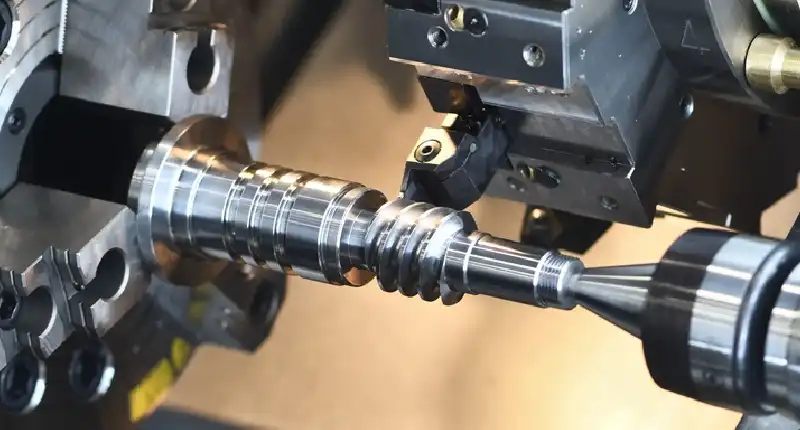
Custom CNC Turned Parts Manufacturer | High-Precision Lathe Services
Leveraging the unparalleled manufacturing ecosystem of the Pearl River Delta (Dongguan) to deliver rapid prototyping in 3-5 days, direct-factory pricing, and uncompromised precision for procurement engineers.
- +/-0.005mm
- Best tolerance
- 3/4/5-axis
- Swiss-type lathes
- 3-5 days
- Prototype turning
- 24h
- Quote response
Commercial fit
- Prototype, bridge, and repeat-production CNC turned parts.
- Critical dimensions isolated during DFM instead of blanket over-tolerancing.
- Material, finish, and inspection route confirmed before machining release.
Anti-fluff specification matrix
CNC turned parts specifications procurement can verify before RFQ
Use this matrix to check tolerance, material, finishing, and inspection fit before sending drawings. It separates Swiss lathe work, live-tool turning, and secondary milling requirements early in the RFQ process.
Material pages linked for deeper DFM checks
Commercial component categories
CNC turned parts buyers quote by component family, not by generic process
Each category below maps a procurement intent to the tolerance, material, and inspection questions that matter before pricing.
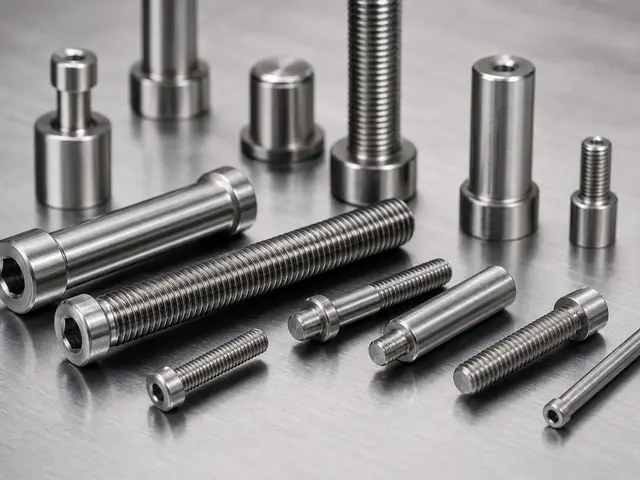
Custom Bolts & Fasteners
Thread geometry, shoulder length, chamfers, and material hardness are controlled for load-bearing assemblies.
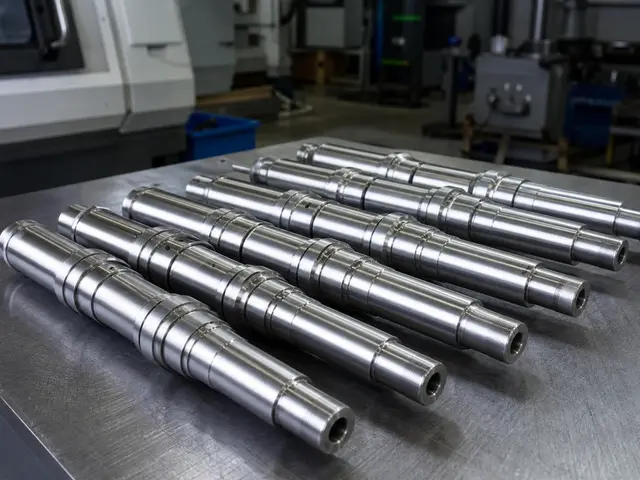
Shafts
Straightness, runout, bearing seats, and surface roughness are specified to prevent vibration in rotating systems.
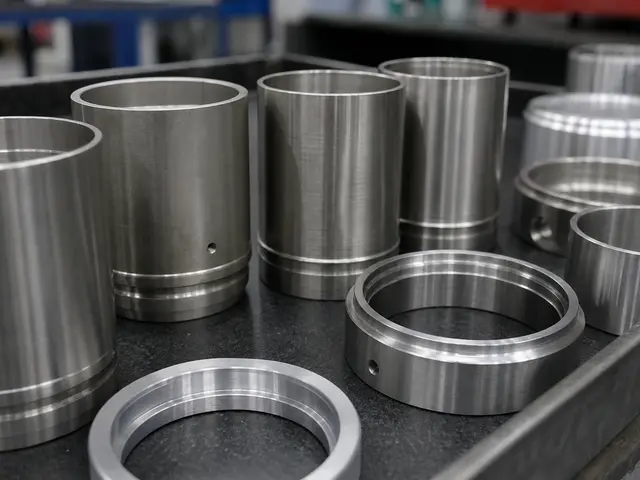
Sleeves
Thin-wall sleeves require stable workholding, burr control, and tolerance zoning to avoid ovality and distortion.
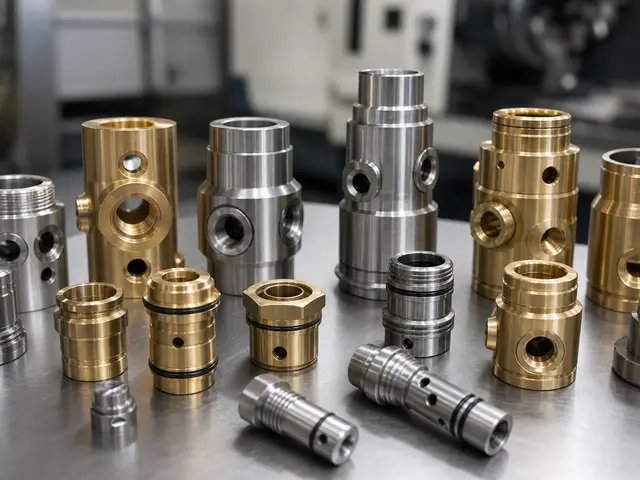
Valves
Fluid-control turned parts are machined for sealing faces, thread integrity, corrosion behavior, and pressure-path consistency.
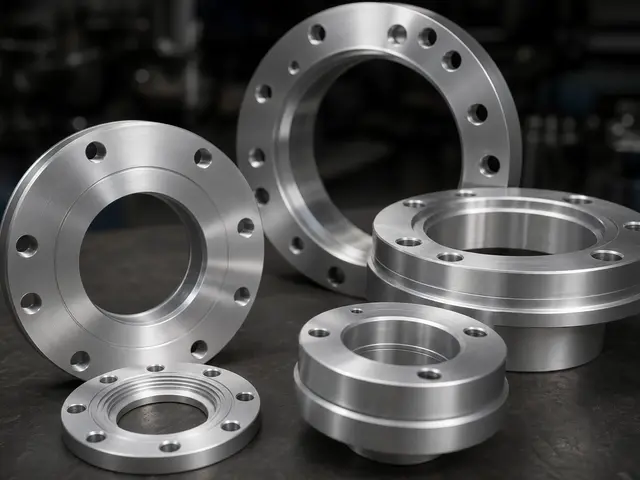
Flanges
Turned flanges combine flatness, bolt-circle position, bore concentricity, and finish requirements in one inspection plan.
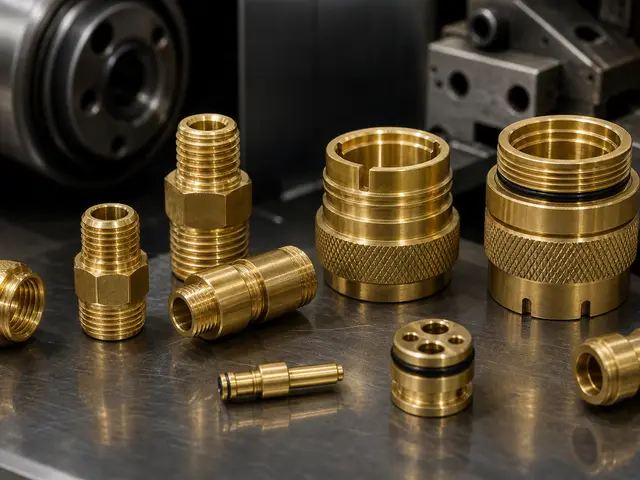
Connectors
Brass, copper, and stainless connectors are optimized for threads, sealing surfaces, conductivity, and corrosion exposure.
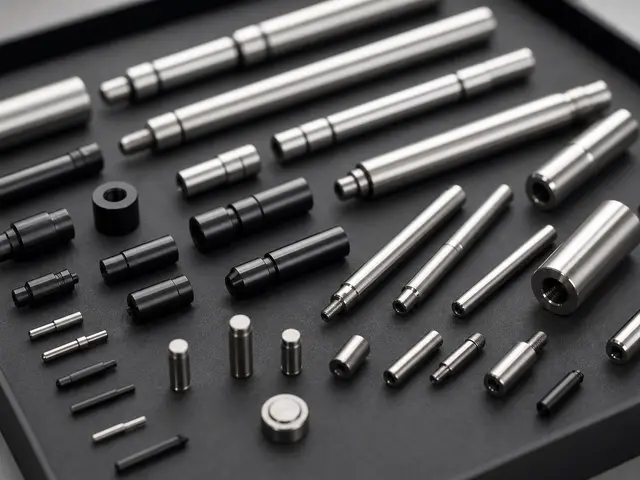
Precision Pins
Small pins are routed to Swiss-style turning when length-to-diameter ratio and concentricity risk justify guide-bushing support.
Quality assurance
100% inspected CNC turned parts before shipment
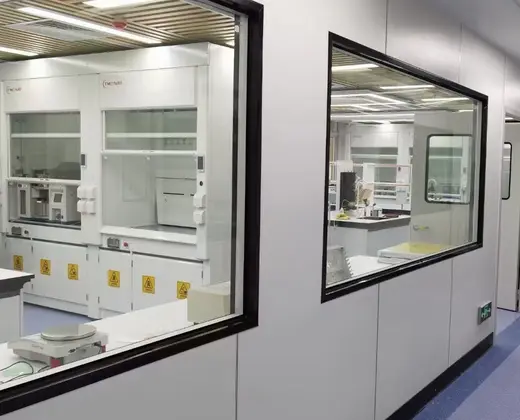
Quality control is treated as a manufacturing constraint, not a certificate graphic. Critical CNC turned parts move through DFM, first-article approval, locked production cycles, and final dimensional inspection before shipment.
ISO 9001
Quality system
IATF 16949
Quality system
ISO 13485
Quality system
DFM gate
Drawing review isolates CTQ diameters, thread classes, finish callouts, runout, and concentricity before quoting.
Incoming material control
Material grade, bar condition, heat treatment, and certificate requirements are checked before release.
In-process control
Automated turning cycles are locked by program, tool offset, first-article approval, and operator inspection.
Final inspection
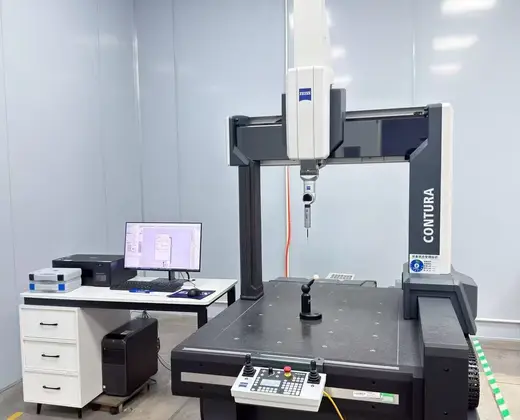
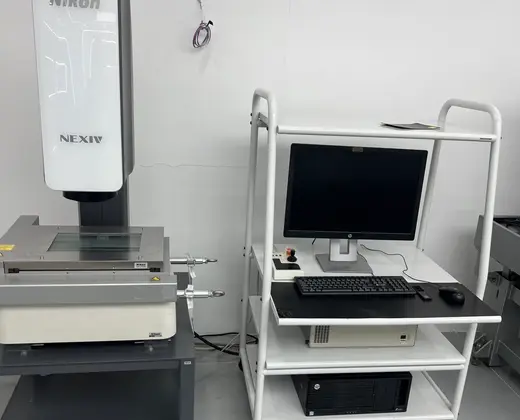
CMM, optical comparator, surface roughness testing, and manual gauges verify every shipment against the drawing.

Why Huade
Supply chain advantages for custom CNC turned parts
The operational advantage is not a slogan. It is a compressed manufacturing chain: material procurement, turning, finishing, inspection, and export coordination are handled close to the factory floor.
Pearl River Delta supply density
Dongguan gives access to material suppliers, finishing vendors, tooling resources, and logistics paths without adding distributor markup.
Fast prototyping in 3-5 days
Qualified CNC turned parts can move through DFM, programming, turning, deburring, inspection, and packing on an accelerated track.
Zero-variation production discipline
Repeat batches use locked programs, tool-offset control, first-article confirmation, and documented inspection gates.
Engineer-to-engineer RFQ handling
Drawings are reviewed for tolerance stack, thin walls, tool access, finish sequence, and material deformation before pricing.
For design decisions that influence cycle time, material deformation, and inspection cost, read our CNC turning process design guide .
100%
Final inspection before shipment
24h
RFQ response for complete drawings and material notes
3-5 days
Prototype turning lead time for qualified projects
Internal engineering pathways
Continue your CNC turned parts evaluation by process, material, industry, and finish
After checking the turning specification matrix, use these related pages to confirm material behavior, application requirements, surface finish options, and inspection standards before submitting an RFQ.
Turning process cluster
Material decision pages
Industry applications
Technical engineering FAQ + RFQ
Submit CNC turned parts drawings with the inspection risk already defined
We will respond with a detailed quote within 24 hours when material, quantity, drawing, tolerance, and finish requirements are clear. Your CAD and STEP files are handled under NDA.
What is the difference between standard CNC turning and Swiss-style turning for micro-components?
Standard CNC turning holds the workpiece in a chuck and is efficient for shafts, sleeves, flanges, and larger rotational parts. Swiss-style turning supports the bar stock close to the cutting tool with a guide bushing, reducing deflection on slender pins, micro shafts, medical inserts, and high L/D ratio components. Huade selects the process based on diameter, length, tolerance stack, concentricity, and batch volume.
How do we select the correct material for aerospace vs. plumbing CNC turned parts?
Aerospace turned parts usually prioritize strength-to-weight ratio, thermal stability, fatigue resistance, and traceability, so aluminum 7075, titanium, stainless steel, or Invar 36 may be reviewed. Plumbing and fluid-control parts prioritize corrosion resistance, machinability, sealing surfaces, and cost, so brass, copper, 304/316 stainless steel, and passivated finishes are common. The final choice should match pressure, temperature, medium, tolerance, and required certification.
What tolerance and inspection data should procurement engineers specify on a CNC turned parts RFQ?
A complete RFQ should identify critical-to-function diameters, thread class, runout, concentricity, surface roughness, material grade, surface treatment, quantity, and inspection reporting requirements. If every dimension is marked as tight tolerance, cost and lead time increase without improving function. Huade can hold critical features up to +/-0.005mm after DFM review and verify them with CMM, optical comparator, and surface roughness checks.